Notes from the Field.

The latest release from Dan & Nic at Offbeat is here: introducing Field Notes 1.

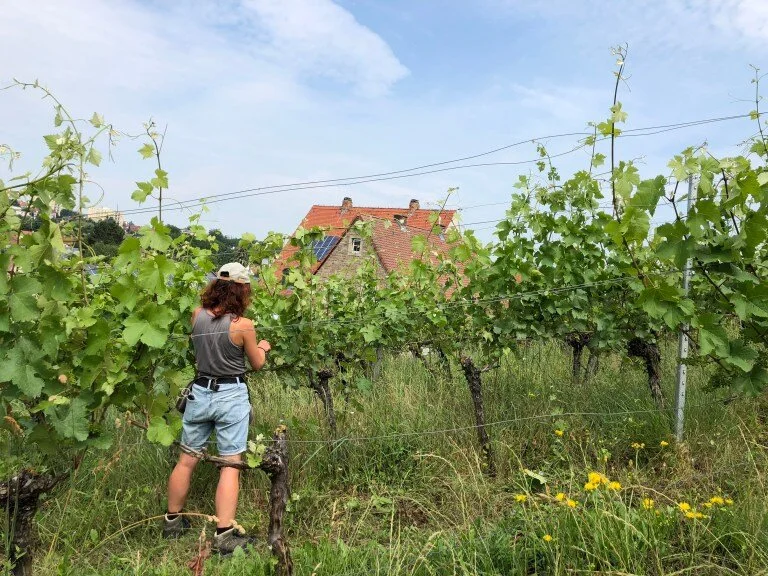
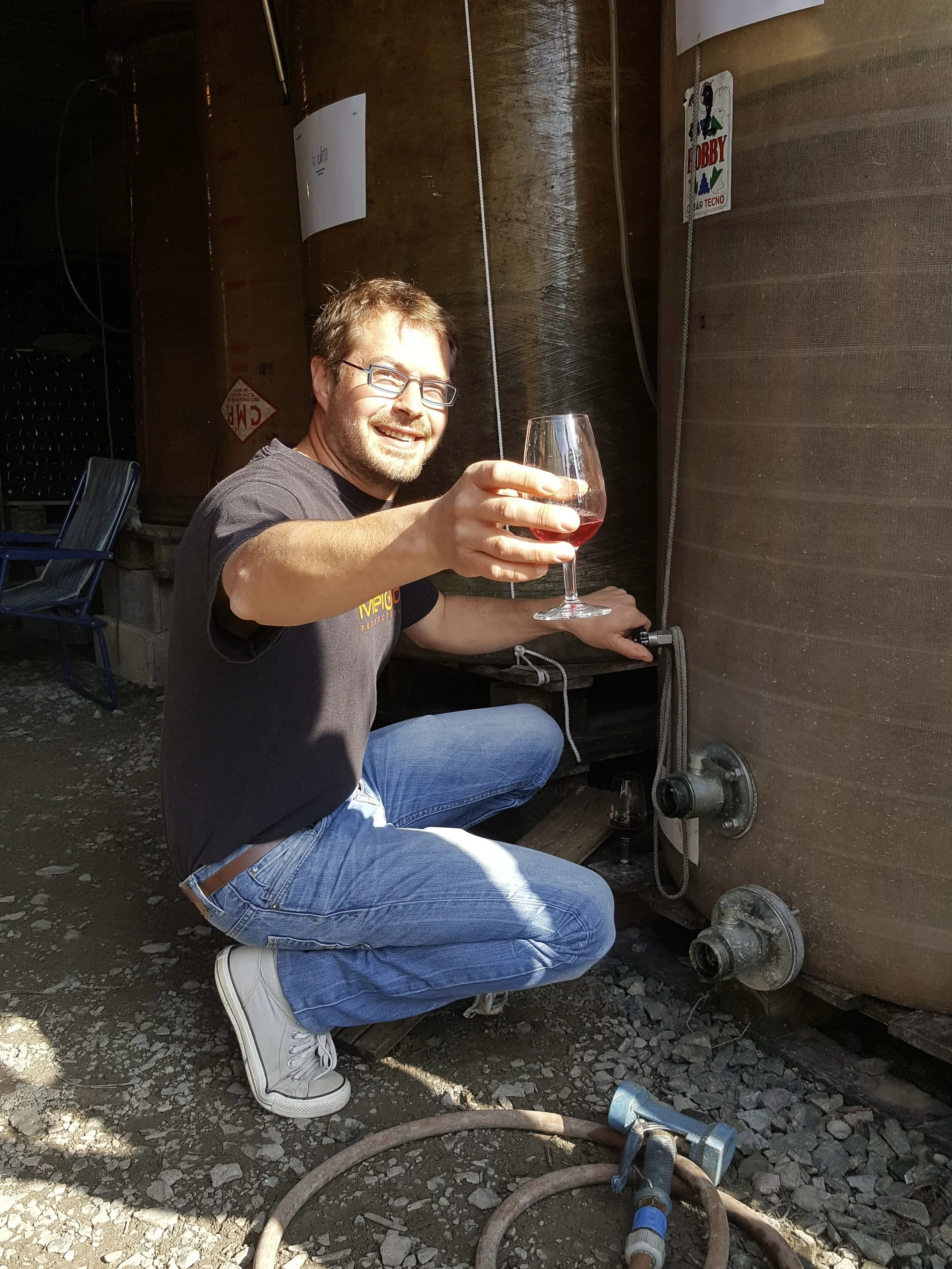
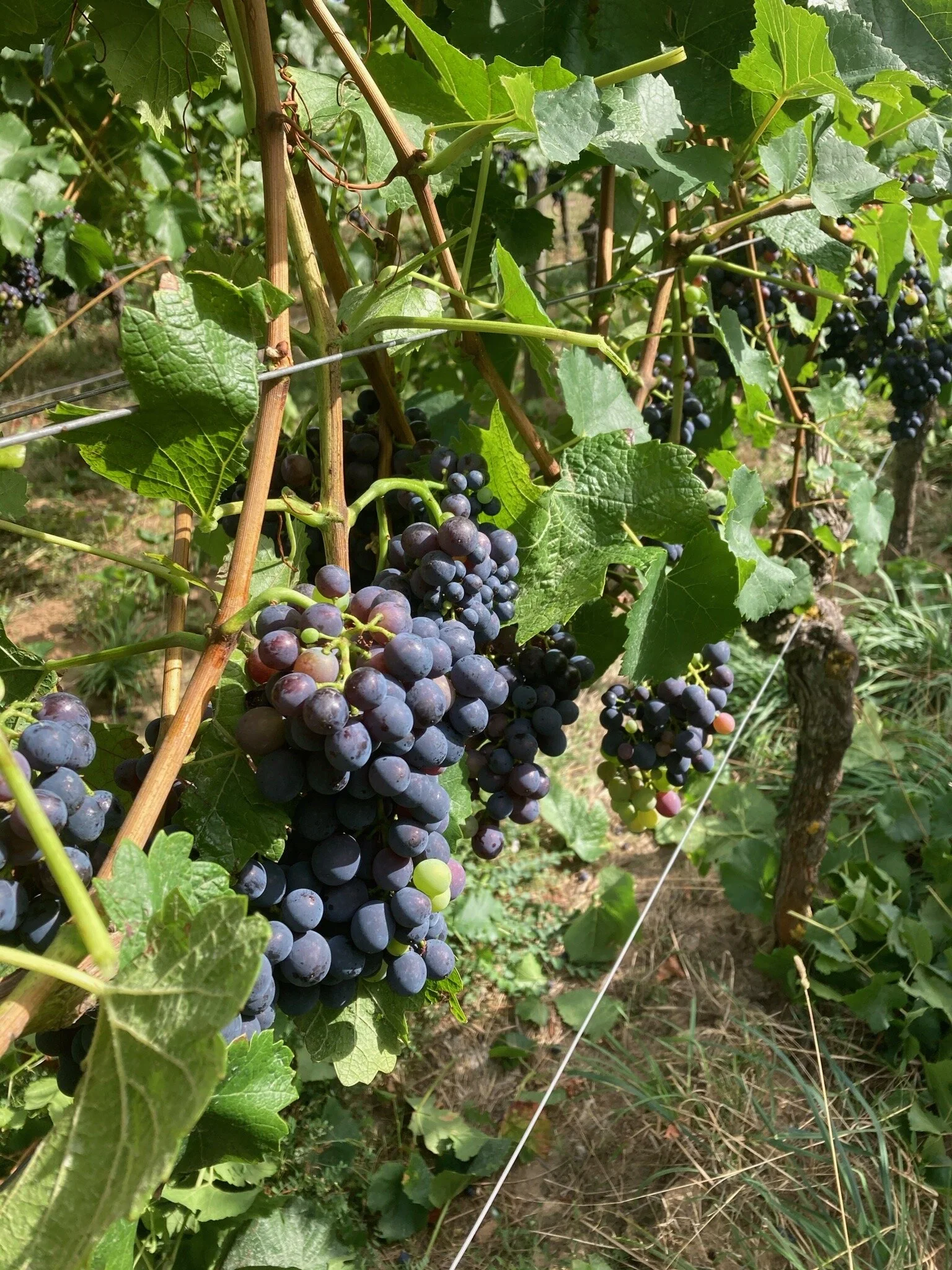
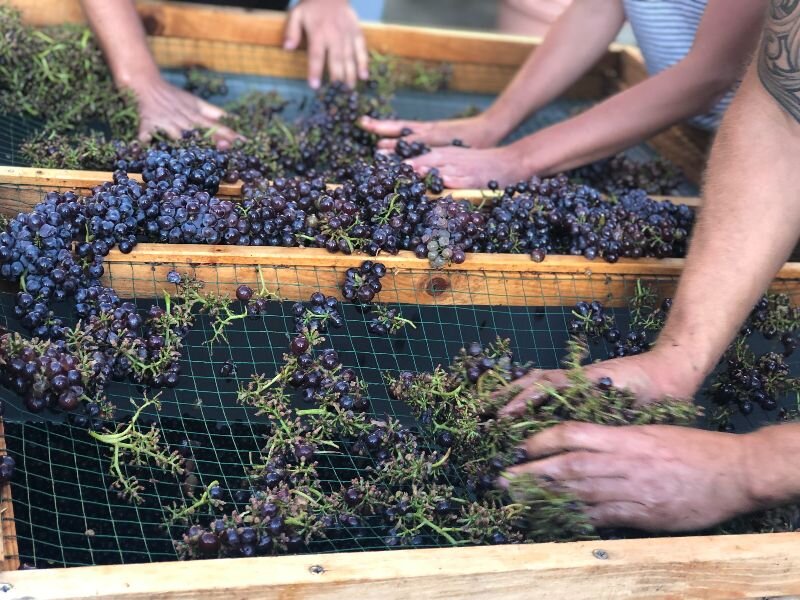
The first instalment of Field Notes is the by-product of their experimentations with maceration techniques and ageing, a supple and pretty blend of Pinots Noir & Blanc from a plot on clay soils in Crouch Valley, Essex.

Read more

Bande à Part

2020 was kind to the Tisserand family in St Pourcain, with very little in the way of disease and damage, and fermentations that rocketed away. It’s been a while since we’ve had new wines from Loren, and they’re a welcome arrival for Autumn…

Read more

Portugeezers: A chat with Jonas Brand


12E4AA44-C57D-44C0-BED6-ADC9465539C8.JPG

Weingut Brand
Germany, Pfalz, Bockenheim

As the sun arrives, so do the wines from those sunny German brothers, Daniel & Jonas Brand. Arriving with this tranche is a top up of their single-varietal whites from 2019, their 2020 not-nouveau: Brand Rot and the new vintage of Wildrosé. 

We caught up with Jonas recently as he was negotiating his tractor through the wind tunnel that is their Portugieser vineyards. The growing season has been slow in the Pfalz this year; the slowest Jonas has seen, "It scares you as a farmer, you don't know how to act. Some shoots are only at 3cm and others are at 15cm. It makes it really hard to make decisions."

2020 was by contrast, incredibly convenient. The growing season was paced nicely, speedy but not so fast that the brothers were rushed. Jonas feels like their energy going into harvest has really paid off in the wines:  "What I believe is: that spirit you're in on the approach to, and during harvest contributes the most to the wines, and we had an amazing team. If we have good food, good energy, a good vibe, then we're all in a good state of mind, especially my brother & I, it really helps the wines."

6A9D5164-10A8-44A5-92F7-272491835306.JPG

Whilst up in the Portugieser vineyards, trying to spray into the wind against powdery & downy mildew, Jonas discussed two of the new arrivals picked from these plots, Wild Rosé 2019 and the Brand Rot 2020:

“Portugieser grows super nicely, it's very healthy- but the deer love it. They love to snack on the shoots, that's the biggest problem in a farming sense. So we get good yields mostly, and the quality is great. But as a varietal, it's really high in PH, so in the cellar it's more complicated. It's hard to make no sulphur natural wines with it, so we have to be careful. 

“Wildrosé is one of my favourite wines of ours, but it's never the easiest to make for this reason. The 2016 & 2017 got mousy pretty fast, and we realised they just need time. It changes so much after half a year, the mouse was completely gone in the 16 & 17 after 6 months. So for this wine we always give it half a year or more once bottled, and it's so fresh and stable.

“Each variety we work in a specific way, so we pick all the Portugieser and process it in one go. They get a very vigorous foot stomp, sit on the skins for two or three days before pressing, and then we split it up in the end: we fill a very large 100 year old barrel, and a couple of smaller 10 year old barrels, for Wildrosé. The juice that's left goes to tank for the Brand Rot. 

“So the Nouveau, or... not-nouveau by the time we release it, has this foot stomped Portugieser, and a little carbonic maceration Cab Franc to make up about 15% of the blend. We have a little plot here, and we love the variety, it gets ripe, but not over-ripe. We use the carbonic to bring that fresh fruity vibe and lose some greener notes, it works really nicely with Portugieser. We'll also keep a few barrels from other vintages of Cab Franc, we taste them as we're making up the blend, and some of those might go in also.

“We bottle in November, and we used to release it like a Nouveau, but it does need time, so now we wait. But it makes sense for us because this is another one to drink in the park, with your friends, with a little chill. It's a much nicer time of year for this wine! 

"I've never seen so much wind in one year! This was my first attempt spraying this year, I was trying to use the gaps where there was no wind. Every day for the last two months has just been wind, wind, wind."
B46585FA-E041-4AE9-AC50-CE1699051A90.JPG

As Jonas abandoned spraying in a gale (his aim is to use tiny doses of copper (1oz p/ha), a tactic not suited to anything other than pretty still conditions) he drove back home, showing us the new plot at the top of the hill where they'll be planting Portugieser on limestone. 

“We have just under 2 hectares of Portugieser, but we love the Wildrosé and the Brand Rot and we really want to make more of them. So we're planting more, and we just bought a new Portugieser vineyard. We're going hard on the Portugieser! These are both wines that everyone deserves to drink, we want to make sure we have enough to go around.”

JUST LANDED

SPARKLING

2019 - Landwein - Pet Nat - Silvaner, Pinot Blanc

WHITE

2019 - Kabinett, Trocken - Stein & Fels - Riesling

2019 - Landwein - Riesling Pur - Riesling

2019 - Landwein - Riesling Pur (Magnum Only) - Riesling

2019 - Landwein - Pinot Blanc Pur - Pinot Blanc

ROSE

2019 - Landwein - Wild Rosé - Portugieser

RED
2020 - Landwein - Brand Red - Portugieser

For wholesale price lists please email hello@winesutb.com

Daniel, Jonas & ‘Birkenstock Man’

Daniel, Jonas & ‘Birkenstock Man’


Release The Bats! Fledermausen have Landed


2NATURKINDER

Michael & Melanie Voelker
Germany, Franconia, Kitzengen


Things are looking cautiously optimistic over at 2Naturkinder. A good year is well-needed after their 2020, and one could be on the cards. 

After the late frost event of last year, this has been the slowest start to a season since Melanie & Michael Voelker returned to Kitzingen nearly a decade ago.
Buds finally broke towards the end of April, although the lack of rain received thus far does spell another drought for summer.

We're already past the date on which frost wiped out 80% of the 2020 yields (May 12th) and historically, May 15th is the last date of the season a major frost can be expected. Never say never, but our fingers are crossed for the Voelkers this year. 

989485ee-790f-ff86-c5ea-eab124876b5b.jpeg


We've just received a handful of the triumphant 2019's from Melanie & Michael, the year in which they learnt to handle the drought that is becoming a regular fixture in Central Europe.

We caught up with Michael in early April before bud break as he finished hammering their last post into a new 1 hectare vineyard. 1000 posts and 25km of wire required to build a trellising frame for the young plants!

Is there any impact to the vines after a major frost event like you saw last year?

”Potentially, it depends what you did to the vine a little bit. The whole bud break process comes from the plants reserves: it doesn't have leaves yet so the engine isn't really running - no photosynthesis - so it uses that reserve for the fist bud break. When you have frost it needs to do that again, so it depletes even more of its reserves. 

”It's going to be interesting to see, but we do try to not push them too hard. I hope it's going to be alright, there will be an impact for sure. Not all the plants have the nice strong canes that they normally would have had, which makes it tricky to prune. But we'll see if we've reacted well!

”Another thing we've had is not enough rain so far. If it's not gonna be a rainy April then we need to plan for another dry summer. So the next drought is almost certainly ahead. We've started getting used to that. It just means you have to be a bit more moderate with yields which are relatively low here already. It's not our first, so we are learning to adapt. 
It can lead to fermentation problems if you don't manage it well because you can have a lack of amino acids in the juice. That was a huge lesson in 2018 for a lot of European growers when we had the first big drought. “

e5d7162c-2099-e1ce-a70c-a79fe0b2abe4.jpeg

Could you tell us a little bit about the 2019 Fledermaus Weiss & Fledermaus Rot that have just landed?

”I actually tried the 2016 and 2017 vintages a couple of days ago and they were quite funky! Depending on your definition of funkiness I suppose. They're not really my favourite vintages. 2018 was super clean and precise, like 2015. One of the reasons being that I reduced the quantity and sorted out a few batches that I didn't fully trust, saved them in reserve for the Vater blend which we allow a little sulphur to be added to if needed. I don't want to add any sulphur to Fledermaus.

”So now the Fledermaus is just three batches: our favourite big barrel of Muller Thurgau, a medium sized barrel of Sylvaner and a small tank of Riesling. 2019 is a very similar blend to 2018, Melanie says it's even better but I struggled to compare them!

”The Sylvaner has a little skin-contact overnight before we press. The challenge with Sylvaner is it's a very pectine-heavy flesh, so you have to press long and hard if you do direct. If you give it a little more time you get the natural enzymes populating the must, and then it's a little easier to press. It gives it a different fruitiness to a hard direct press. 

”The red one, like always is a single vineyard Pinot Meunier. 2019 were mostly very healthy grapes, just with a little bit of heat damage so it was a low yield. Just one 1200 litre tank for almost 8000 square metres!

”They were hand de-stemmed on boards like the Jura, and left in boxes for a week of semi carbonic maceration before pressing. That's always just finished in a tank.”


How is the bat conservation project going?

”The bats are if anything, in decline. We still get our guano, it will keep going into the vineyard. But in general they're going down in the area. We just have super small colonies in the area, but tiny families of like 15 different species. But they don't live in big colonies, they're in smaller groups. 

”Where we get our guano from though, you can see a continuous drop in numbers because they're just less food for them. Fewer insects to eat. The whole bat thing; when you support that species you're supporting a whole ecosystem. The bats can only thrive if there's enough caterpillars, the caterpillars can only survive if there's enough butterflies reproducing. They're really an indicator of an ecosystem. It's quite sad really.

”They're certainly around though; a week ago I was terrified, working late down here in the winery. I walked back up to our house and there was a huge bat that surprised me in the office. I tried for 2 hours to help him out but it didn't want to leave. I had to just leave the window open and hope for the best!

”I really do like the guano as a fertiliser, especially for that vineyard where it's incredibly tricky to get compost in. Pinot Meunier & Muller Thurgau need more of a nitrogen supply than other varieties; that was definitely something I learnt as I stopped tilling in 2016.

”Some varieties don't really care about that, there's enough nitrogen they can access. But Pinot Meunier, Muller Thurgau & Domina don't handle that too well. They need more nitrogen supply and that's tricky without tilling. That lack of nitrogen is something that can cause instability, mousiness risks. So they get fed batshit!”


JUST LANDED


WHITE

2019 - Landwein - Vater & Sohn - Muller Thurgau, Silvaner, Bacchus
2018 - Landwein - Fledermaus Weiss - Muller Thurgau, Silvaner, Riesling

SKINS

2018 - Landwein - Weinschwärmer - Pinot Gris, Riesling

ROSE

2019 - Landwein - Black Betty - Domina

RED

2019 - Landwein - Fledermaus Rot - Pinot Meunier
2017 - Landwein - Spatburgunder - Pinot Noir

For wholesale enquiries please email hello@winesutb.com

d72024f9-29c6-f99b-40de-9d9d9764ca18.jpeg
 

New Wines, Ancient Vines


0b303cda-3738-4f14-ab00-2262f761615e.jpg

Roberto Henriquez
Chile, Bio-Bio, Nacimiento

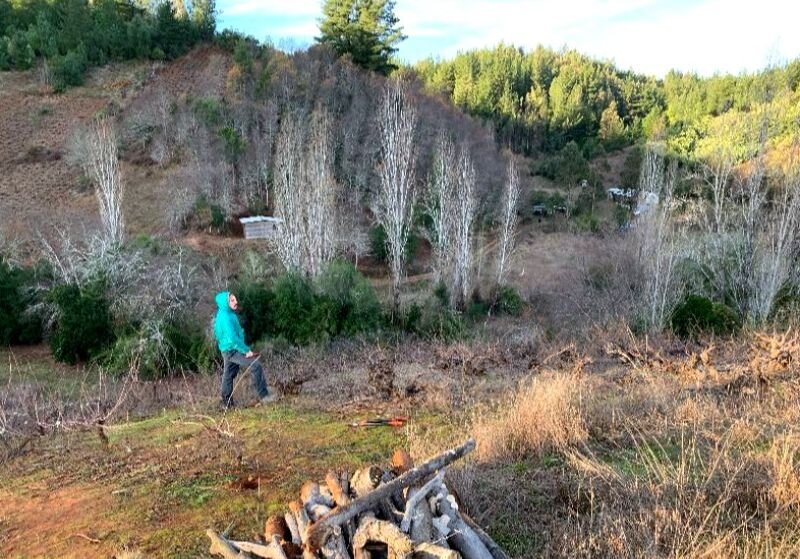
Direct from some of the oldest vines on earth, the wines of Roberto Henriquez are a vivid expression of a unique region: the Bio Bio & Itata valleys of southern Chile. We have just received a full range from Roberto and are slowly releasing them as and when they feel well rested.

Working across a number of parcels, Roberto farms Pais from vines upwards of 200 years old and Semillon, Moscatel d’Alejandria & Corinto from vines around 100 years old. Plots are planted on a mix of alluvial soils, volcanic black sand and granite.

Roberto's winemaking is having a positive impact on the face of southern Chile, beyond his zero-input agriculture. Rescuing ancient vineyards that would otherwise be torn up for reforestation with non-native pines, he is plot-by-plot doing his bit to protect carbon-dense indigenous forests and biodiversity.

Bringing these mostly abandoned bush vines back into recovery is a long game. Pruning heavily to take the wild growth back almost to the trunk, Roberto will then try to keep yields as low as possible as new growth begins. Often as low as 5 buds maximum per plant, which is in stark contrast to the way viticulture has moved in Chile: the higher the yield, the better the grower.

Roberto is more interested in bringing balance back to the vineyards, not pushing these plants too far, rather ensuring they have the fertility & energy required to produce just a handful of bunches of good quality fruit.

There's been little encouragement of traditional viticulture in modern Chile. Wine is taxed high, which rules out most growers bottling their own production. The economics of selling the fruit on don't make a huge amount of sense either: a big company might pay up to 20 cents per kilo of fruit, which means a grower with 1 hectare yielding 5000kg of grapes is only able to recoup $1000. That's barely breaking even.

To further complicate things, under Pinochet the Chilean government introduced a policy in 1974 to subsidise 75% of reforestation costs, with ongoing support for plantation management of pines and eucalyptus. It's been a misguided scheme that's done considerably more harm ecologically than good, and continues still.

Keeping the historic winemaking tradition alive is be an uphill battle against questionable government policies and cultural shifts, but for Roberto the battle is more than worthwhile.


bc1795e8-6026-48b3-bdd4-8bd9036fb969.jpg

New In

WHITE

NEW - 2020 - Itata - Fundo La Union - Semillon

A plot of 100-plus year old Semillon, just 8km from the ocean in Itata. Made in the traditional style, macerating with the skins for the length of fermentation, at low temperatures and with very little pumping over.

NEW 2020 - Itata - Molino del Ciego - Semillon

From a one hectare plot of 100 year old Semillon, planted on granitic soils in the Itata valley, surrounded by wild herbs and native plants. With the skins for the duration of the fermentation, at the low ambient temperatures of a Bio Bio autumn. Maceration is longer than the Fundo.

RED

NEW 2020 - Bio-Bio - Tierra de Pumas - Pais

A historic vineyard of 200 year old Pais vines on red granitic soil, 2km from the Bío Bío river, surrounded by native forest. Roberto's old winery and home are here, with fig trees, apple trees and bee hives. Fermented in large, open 'lagar' made of Rauli wood.

NEW 2019 - Bio-Bio - Santa Cruz de Coya - Pais

Pais at its most accomplished, from a special 200 year old vineyard in Bío Bío tucked into the mountains, on granitic soil. Fermented in concrete.

For wholesale price lists please email hello@winesutb.com

93fe289f-2638-4beb-9a85-23a8caae30f8.jpg